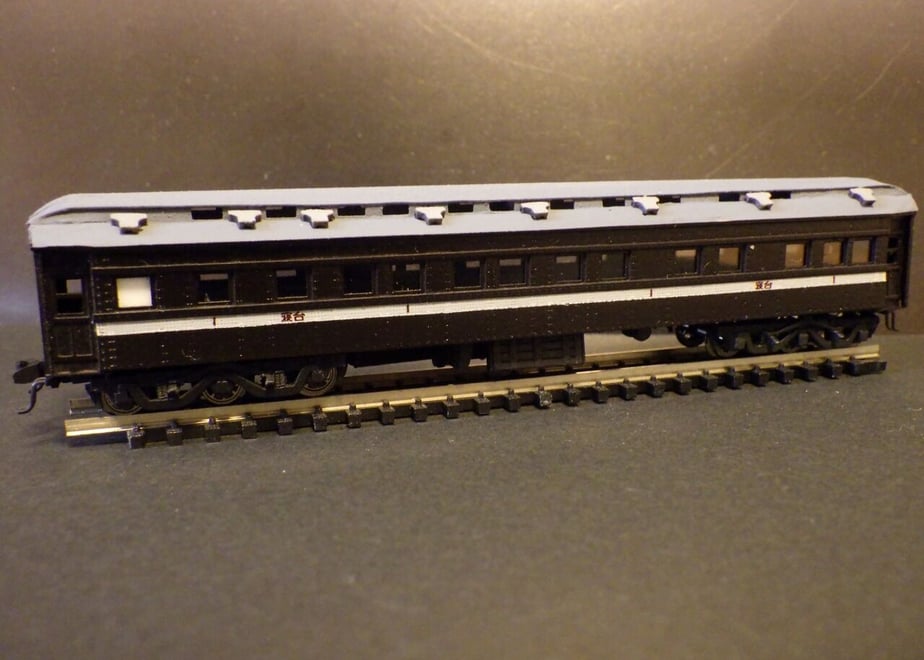
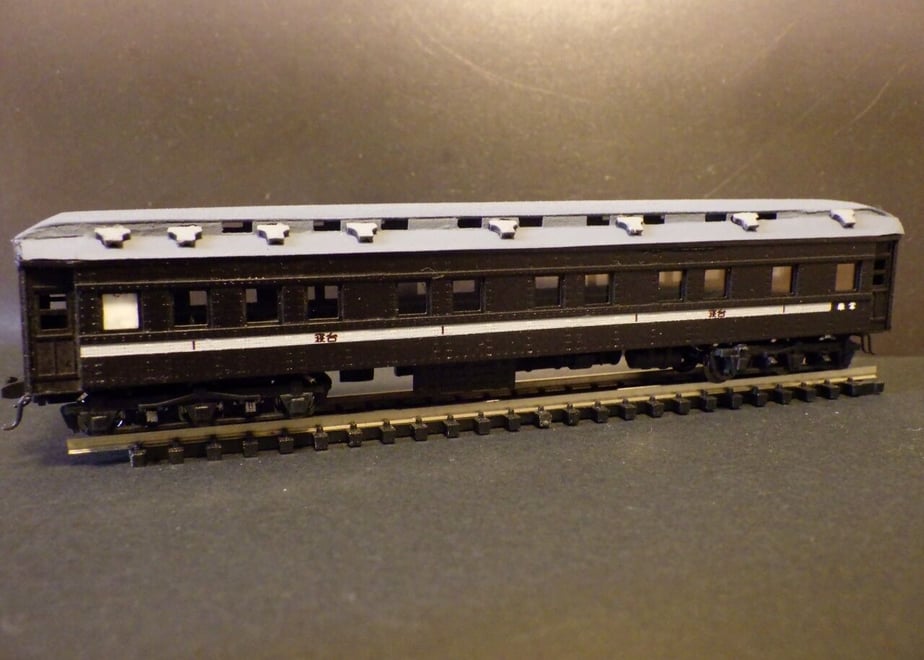
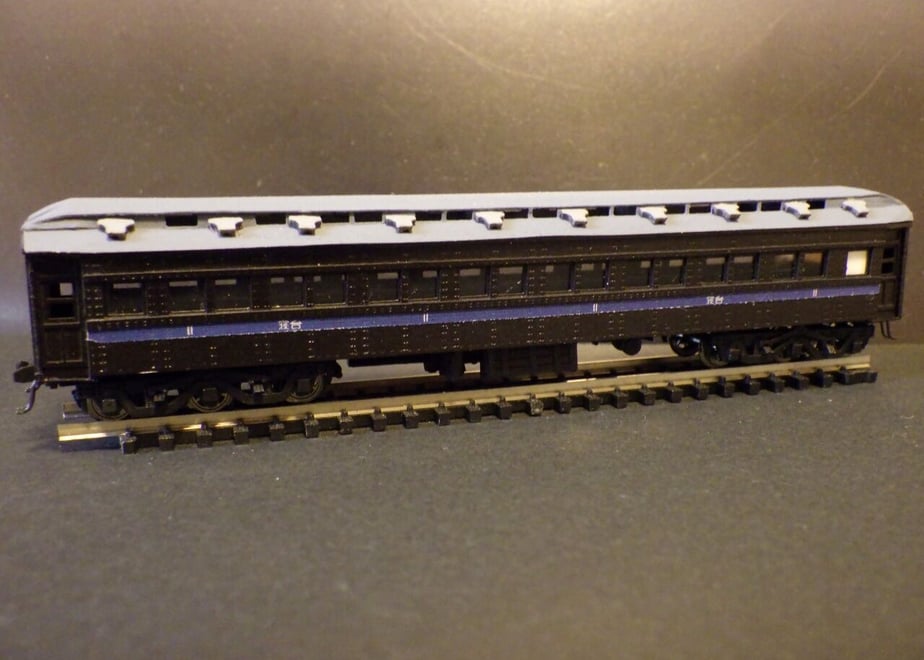
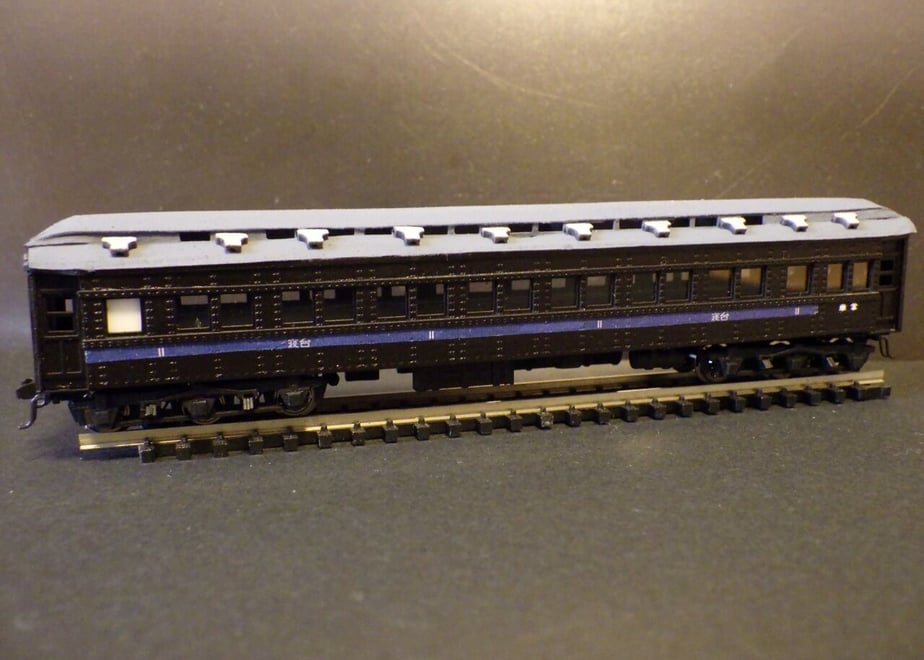
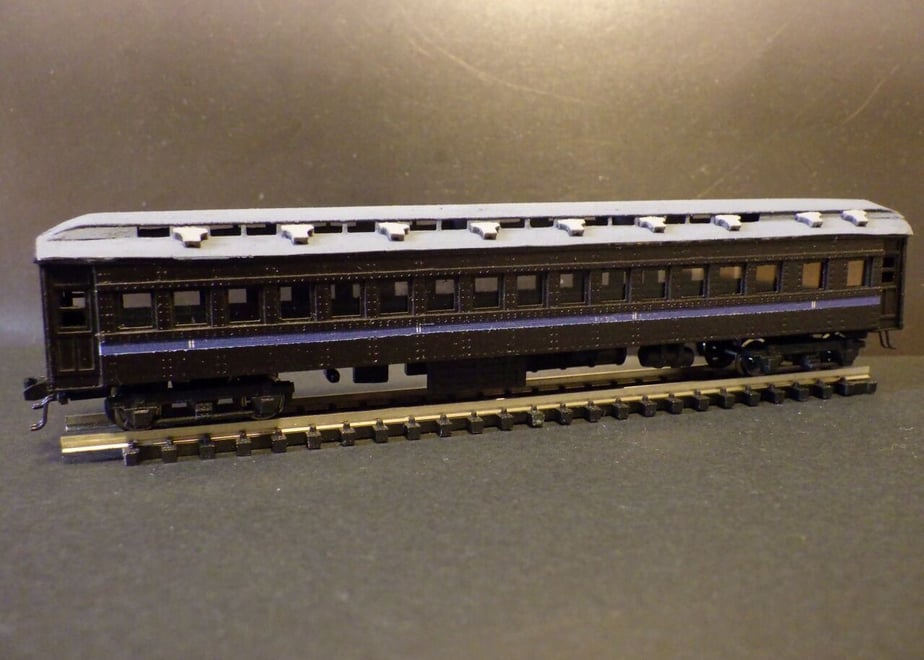
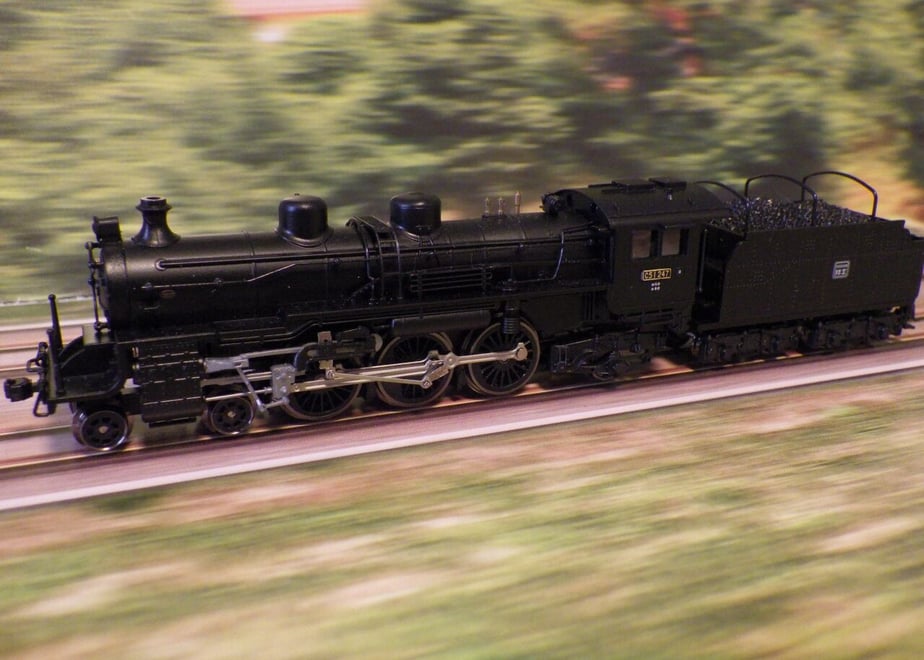
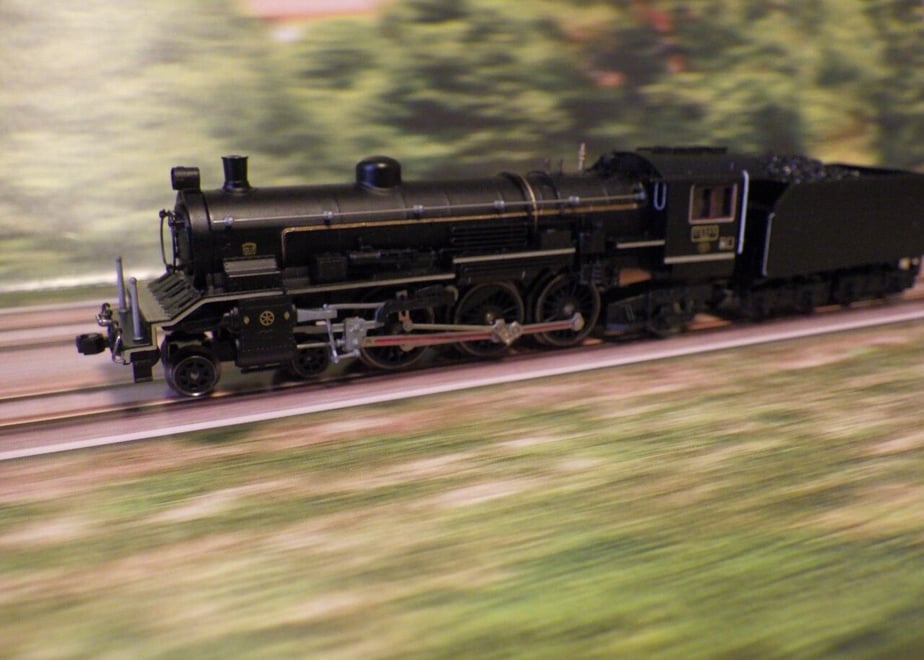
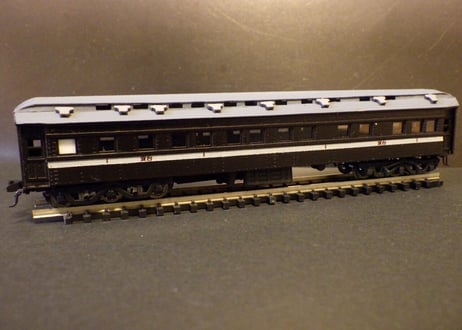
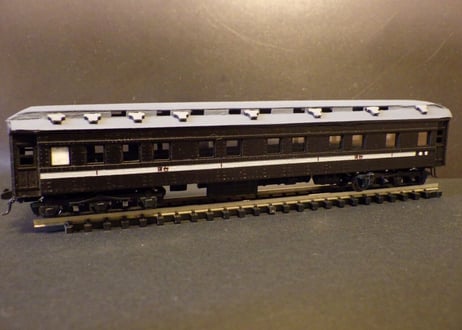
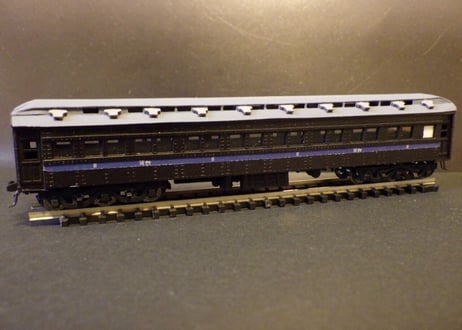
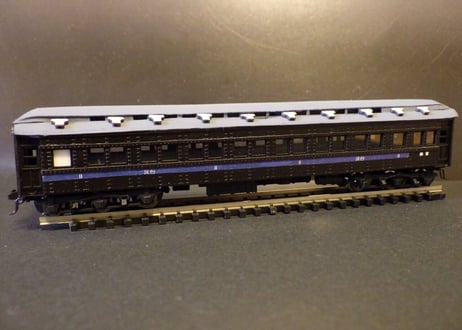
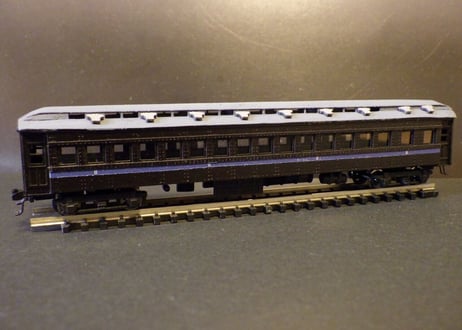
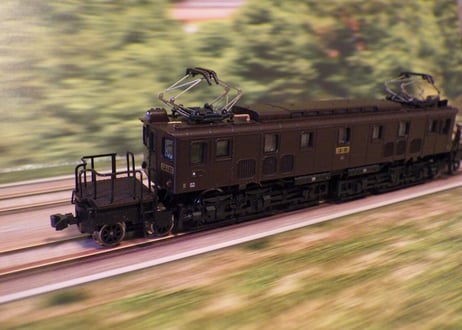
Korindou JGR Exp "Fuji" 5- cars Add Set(N scale 1/150 9mm)
75,000 JPY
Free shipping
The prototype is the flag ship train in 1920s to 1930s.
This set includes
*2nd Class Coach(Suro 34)×1
*2nd Class Sleeper with conductor boot(Maronefu 37)×1
*2nd Class Sleeper(Marone 37)×1
*1st Class Sleeper with conductor booth(Mainefu 38)×1
*1st Class Sleeper(Maine 37)×1
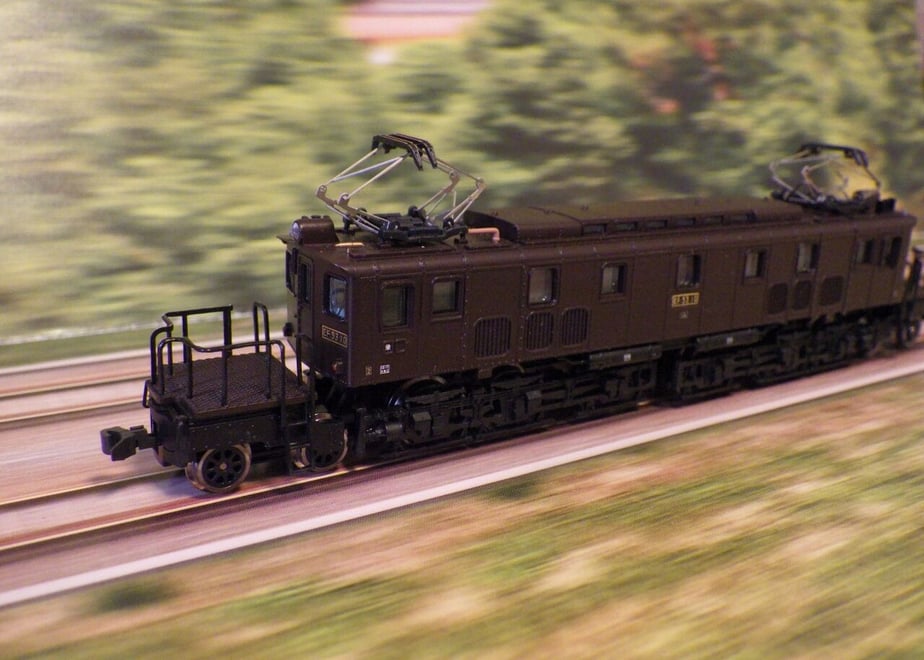
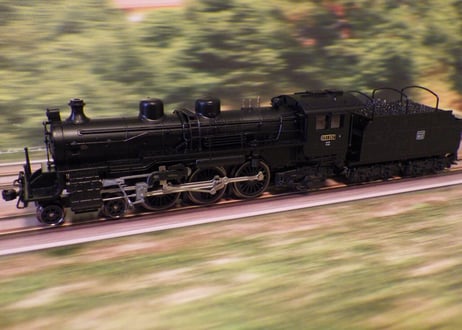
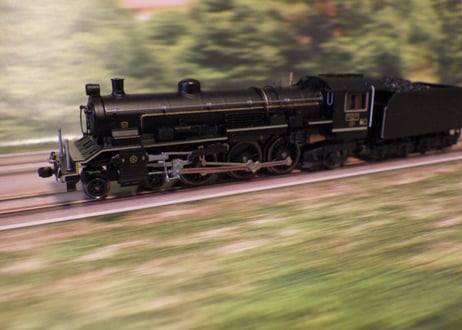
We recommend locos which haul is Class C51 Steam Loco, Class C53 Steam Loco and EF53 Electric Loco.
【History】
Until the early of 1900s, the only way to travel between Europe (Berlin, Paris, London) and Japan was by ship. However, it took as long as a month to reach Japan by sea via the Suez Canal and the Trans-Atlantic and Trans-Pacific railroads.
On June 10, 1913, the "Europe-Asia Trans Trans-Siberian Through Traffic" route was built, connecting Tokyo to Europe by rail via Shimonoseki, the Korean Peninsula, and the Trans-Siberian Railway. It was now possible to travel from Tokyo to Europe with a single ticket.
A year before that, in June 1912, Japan's first "special express" train, the 1.2 train, started service between the former Shimbashi and Shimonoseki stations.
This express train connected Tokyo, the capital of Japan, and Shimonoseki, the gateway to the continent at that time. Since these trains would be part of a fleet that could travel from Tokyo to the Korean Peninsula, China, and Europe, it was expected that many of the passengers would be dignitaries and foreigners.
At the time, Japan was proud of its victory in the Russo-Japanese War and of its status as one of the great powers of the world. Therefore, this train was a symbol of Japan's prestige, and the facilities and decorations were quite luxurious.
Although the international liaison service was temporarily suspended due to WW1, it restarted in 1927. The passenger cars were rebuilt for the latest steel coaches of the time.
In 1928, the train was given the nickname "Fuji" for the first time in Japan, and became the flag ship train of Japan.
Later, in 1934, the train was opened to working class people. As WW2 occured, it was gradually downgraded.
Finally, by 1944, the trains were no longer connected to the superior class cars, and they were reduced to ordinary trains.
*Bodies and wheel frames are made by card board.
*Without interiors (we have a plan to produce in the future)
*Without interior and tail lights
*Couplers are used KATO's knuckle coupler or Arnold(please ask if you have a request)
*Attached with bond for woodworking and sprey greu
*We start building after you order because it's an order made item so it will take 2 or 3 months.
*Locos aren't included in this set.
Other Items
-
- KATO #10-1645 JR-C Shinkansen Series 700 EMU (N scale 1/160 9mm)
- 22,000 JPY
-
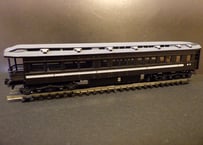
- Korindou JGR Exp "Fuji" 5- cars Basic Set(N scale 1/150 9mm)
- 75,000 JPY
-
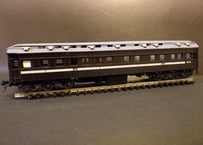
- Korindou JGR Exp "Fuji" 1st Class Sleeper with conductor booth(N scale 1/150 9mm)
- 15,000 JPY
-
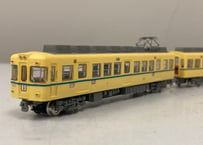
- TOMIX #I2100_131023 Ichibbata Class 2100 EMU 2 coaches set (N scale 1/150 9mm)
- 6,500 JPY
-
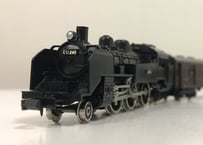
- KATO #20240525_C11set JNR Class C11 and Old Timer Coach set(N scale 1/150 9mm)
- 13,000 JPY
-
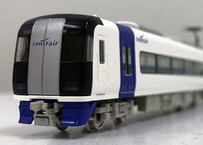
- Green Max #4026 Meitetsu Series 2000 EMU "μ Sky" 3-cars set (N scale 1/150 9mm)
- 14,000 JPY